
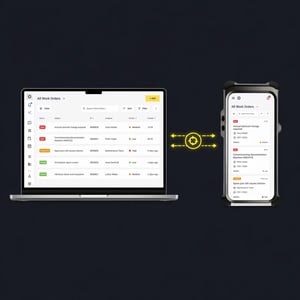
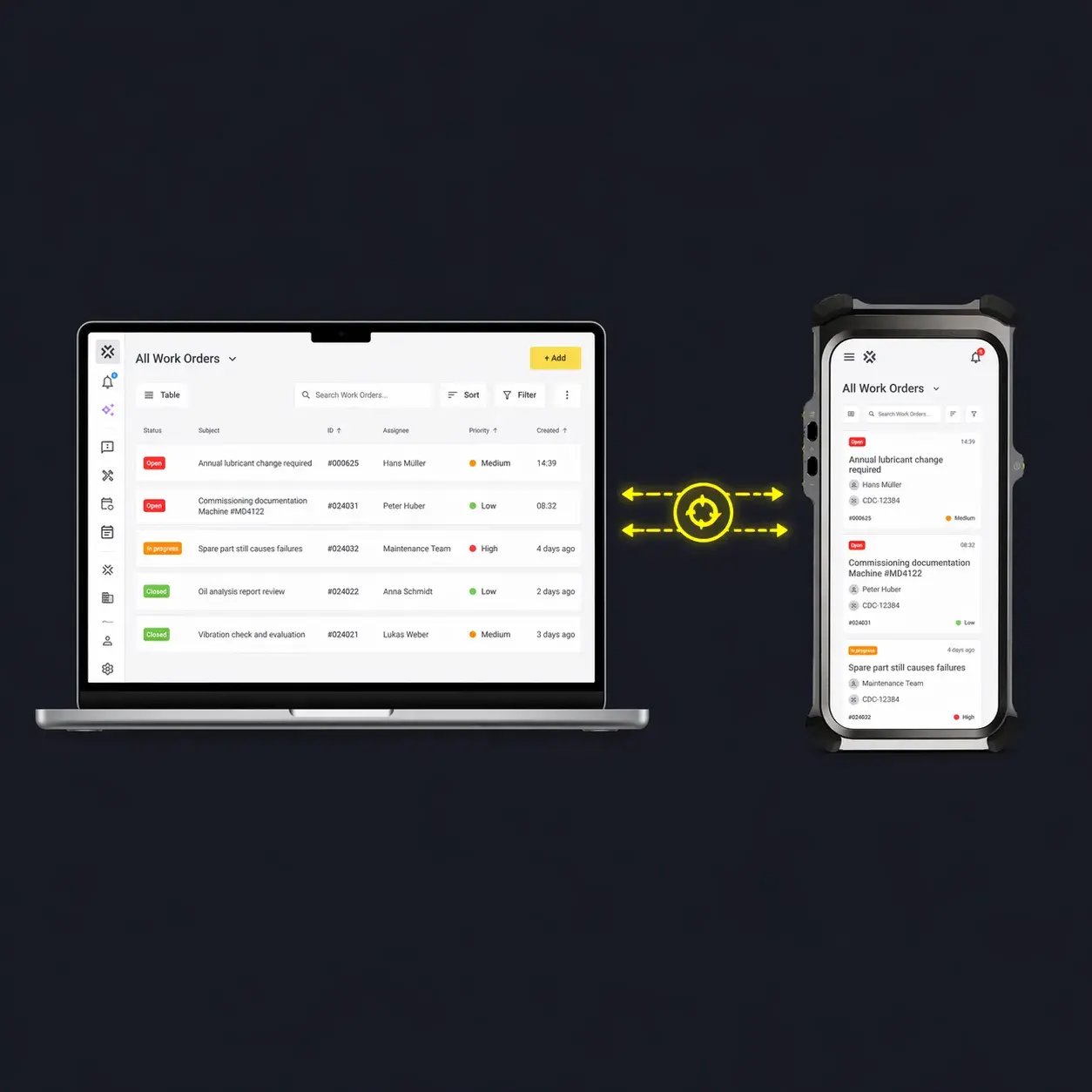
 Running a CMMS in Hazardous Areas: How Ex-Proof Hardware Closes the Last Mile
Digital maintenance is evolving rapidly. Across the industrial landscape, organizations are moving away from manual logs and spreadsheets toward integrated, data-driven platforms.
However, even with advanced software, many companies still face a significant disconnect between their digital strategy and their field execution. Too often, when technicians cannot bring their standard tablets or phones into hazardous zones, the digital workflow breaks, forcing a reliance on manual workarounds.
Closing this last mile requires more than just excellent software; it requires the requisite hardware that carries it into the field.
What is Modern Maintenance Software?
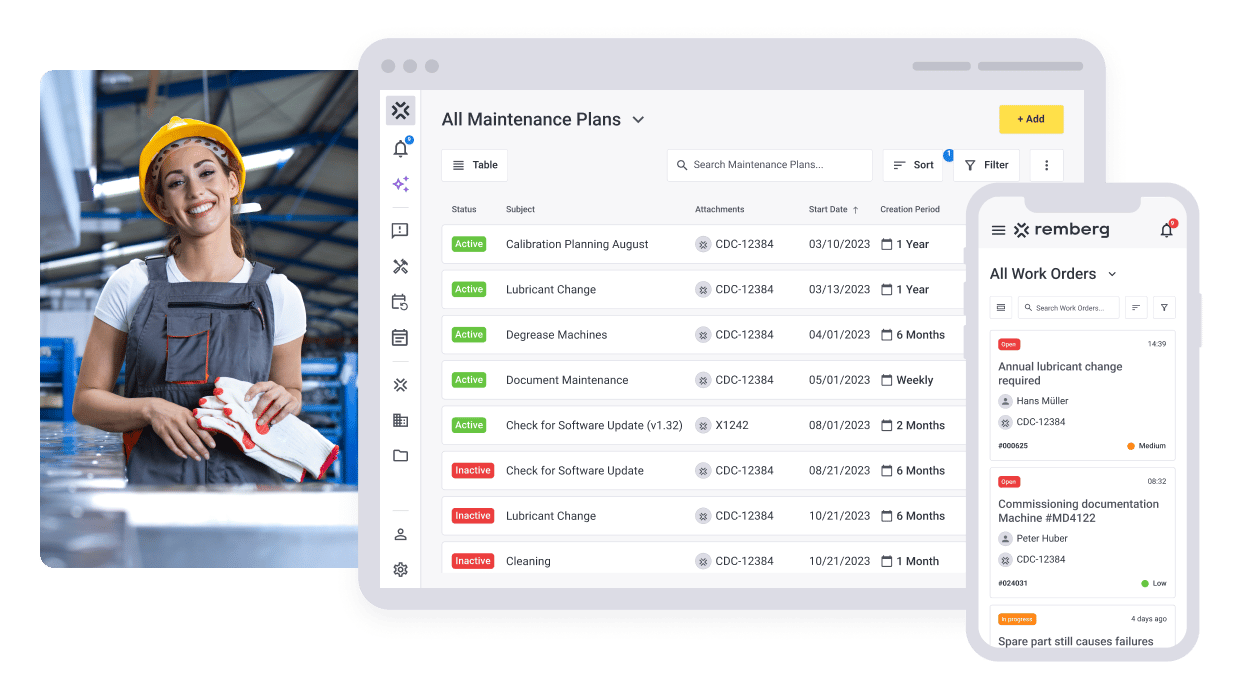
Modern maintenance software serves as the operational hub for industrial facilities. Rather than acting as a static record-keeping system, it functions as a dynamic interface that connects asset management, inventory control, and technician scheduling into a single cloud-based workflow.
This software allows teams to transition from reactive "break-fix" models to proactive, predictive maintenance. By aggregating data from sensors and historical logs, the system provides technicians with the context they need before they even touch a tool.
Remberg's CMMS and maintenance software helps industrial companies digitize their equipment data and maintenance processes. German lubricant manufacturer Liqui Moly, for example, increased asset availability by 20% after rolling out Remberg across their production lines.
The Challenge: Gaps in the Field
Despite these digital advancements, a common problem persists. Many industrial environments contain hazardous areas where standard consumer-grade technology is prohibited. In ATEX or IECEx-classified zones (Zone 0, 1, 2 for gas atmospheres; 20, 21, 22 for combustible dust), consumer devices pose an ignition risk and are not permitted. Common examples include oil and gas facilities, chemical plants, grain mills, and coating lines.
These zones create critical "blind spots" in the operational process. When technicians are forced to leave their digital tools behind, they resort to paper notebooks or rely on memory, transcribing data only hours later at a desk. This delay prevents real-time data entry, creates opportunities for human error, and limits the ability of the maintenance software to provide instant, updated instructions.
Closing the Last Mile
The "last mile" is successfully closed when the technician can access the full breadth of the maintenance software while standing directly in front of the asset.
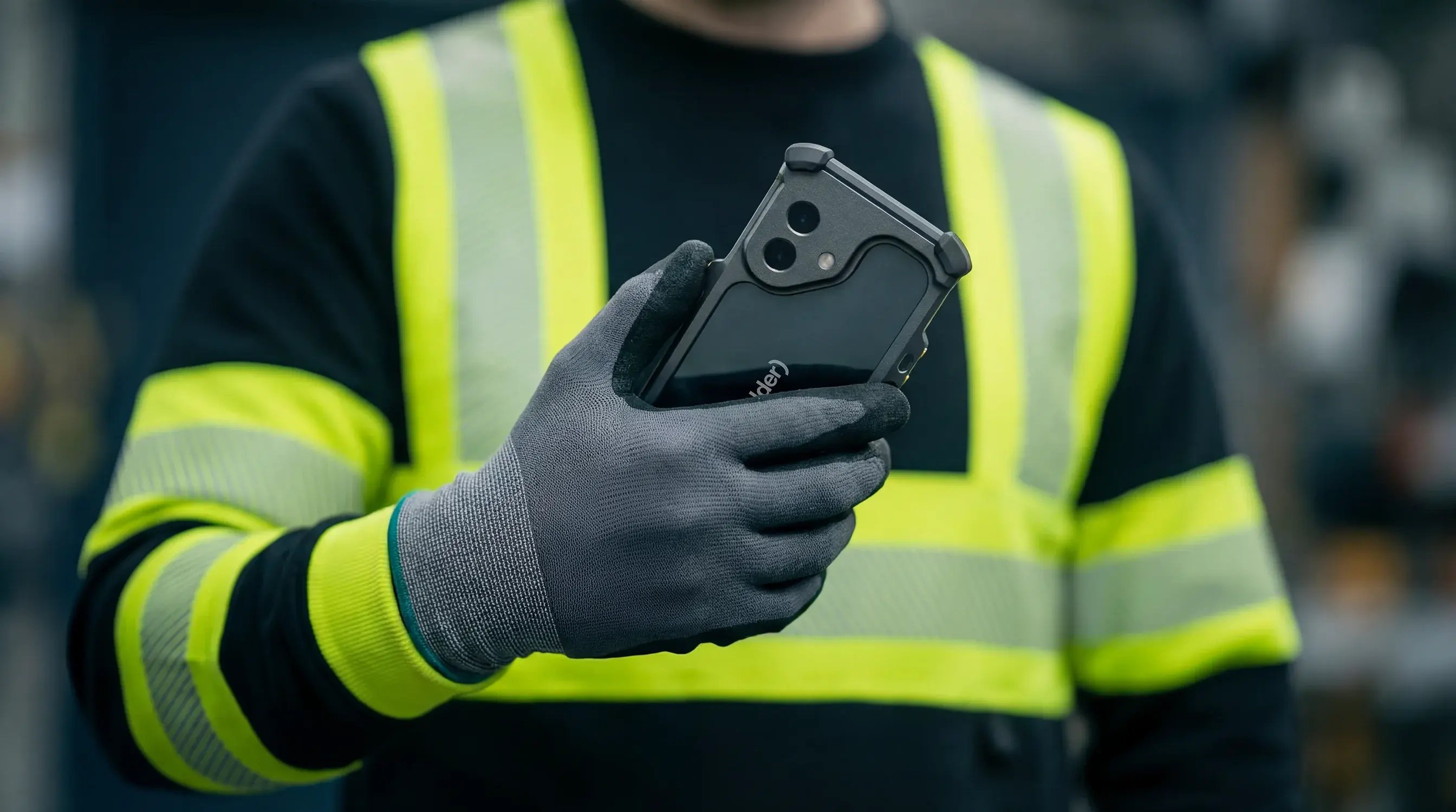
Explosion-proof iPhones and similar ruggedized mobile devices have emerged as the primary enablers of this transition. Modern, certified hardware is now powerful enough to run heavy, cloud-based applications that would have required a workstation just a few years ago.
By deploying this technology, companies can bring real-time workflows into hazardous zones. A technician can pull up a 3D digital twin of a machine, view its full maintenance history, access interactive checklists, and log parts usage while working in a high-risk area. The digital environment is no longer tethered to the office; it moves with the technician.
Better Handoffs, Better Outcomes
When modern maintenance software meets the hardware in the field, the operational benefits are immediate and measurable:
- Efficiency: By eliminating the need to leave the work zone to record data, technicians save hours of administrative time each week. Remberg customer Liqui Moly reported a 20% increase in asset availability after digitizing their maintenance workflows.
- Safety: Real-time access to digital safety manuals and hazardous zone checklists ensures that compliance is a standard part of the workflow rather than an afterthought.
- Data Integrity: Digital audit trails are created at the point of action. This eliminates the risk of memory-based errors and ensures that the maintenance software always reflects the current status of the plant.
Conclusion: The Total Package
True digital transformation in industrial maintenance requires a balanced approach. It demands both modern software, such as Remberg's CMMS, used by manufacturers like Liqui Moly, and field-ready hardware, such as Xshielder's.
The software acts as the brain of the operation, organizing data and predictive analytics. The hardware serves as the eyes and hands, bringing those digital insights to the physical asset.
To learn more about using the latest iPhones in hazardous areas, contact one of our experts.