
Use case
Digital Twin in Oil and Gas, Open at the Asset
Give technicians in Zone 1 the same digital twin your engineers use, open beside the equipment on an explosion-proof iPad Pro 11" or iPhone 17 Pro Max. Tags, live readings and maintenance history are checked against the model at the asset, with less time spent walking back to the control room to check a drawing.
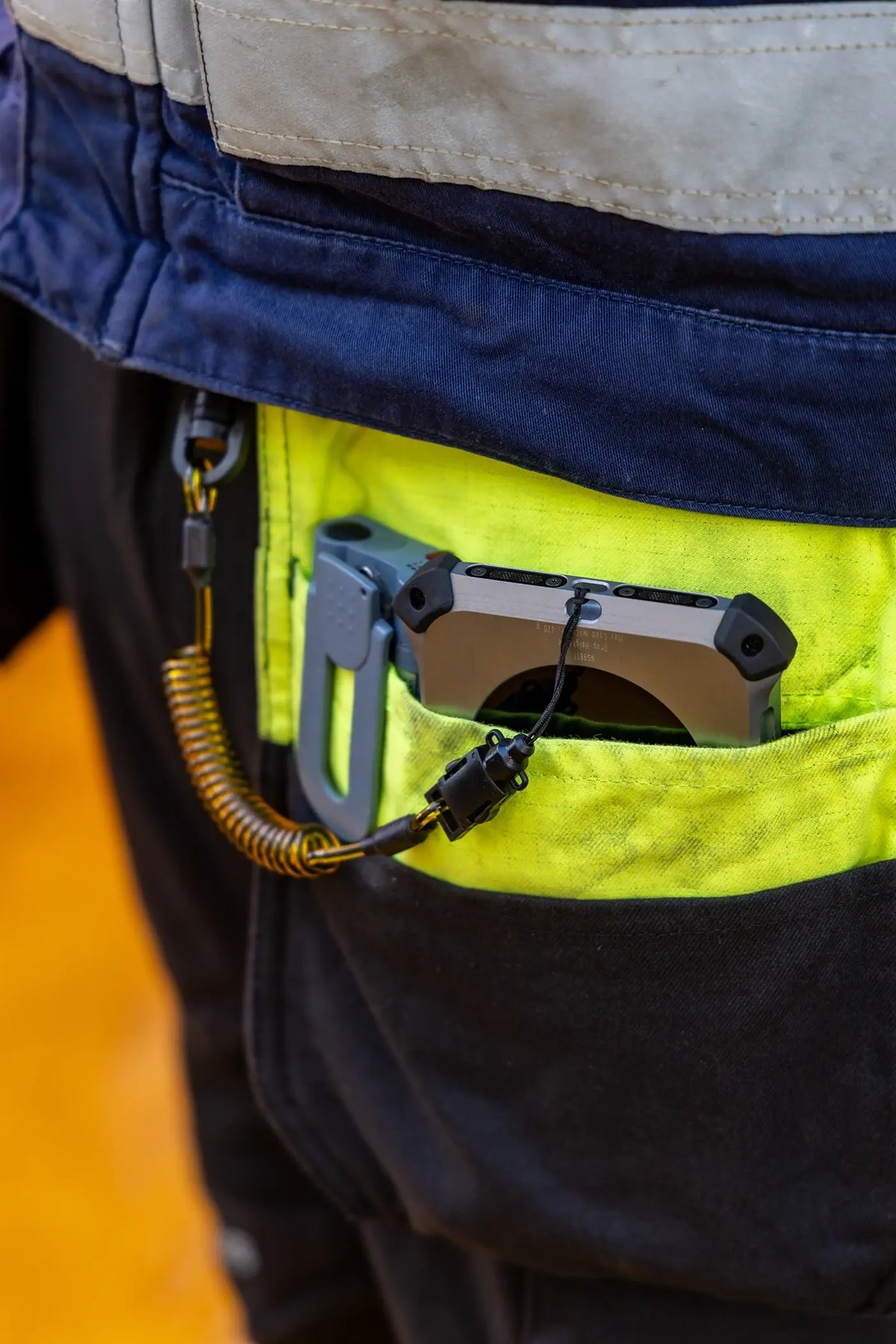
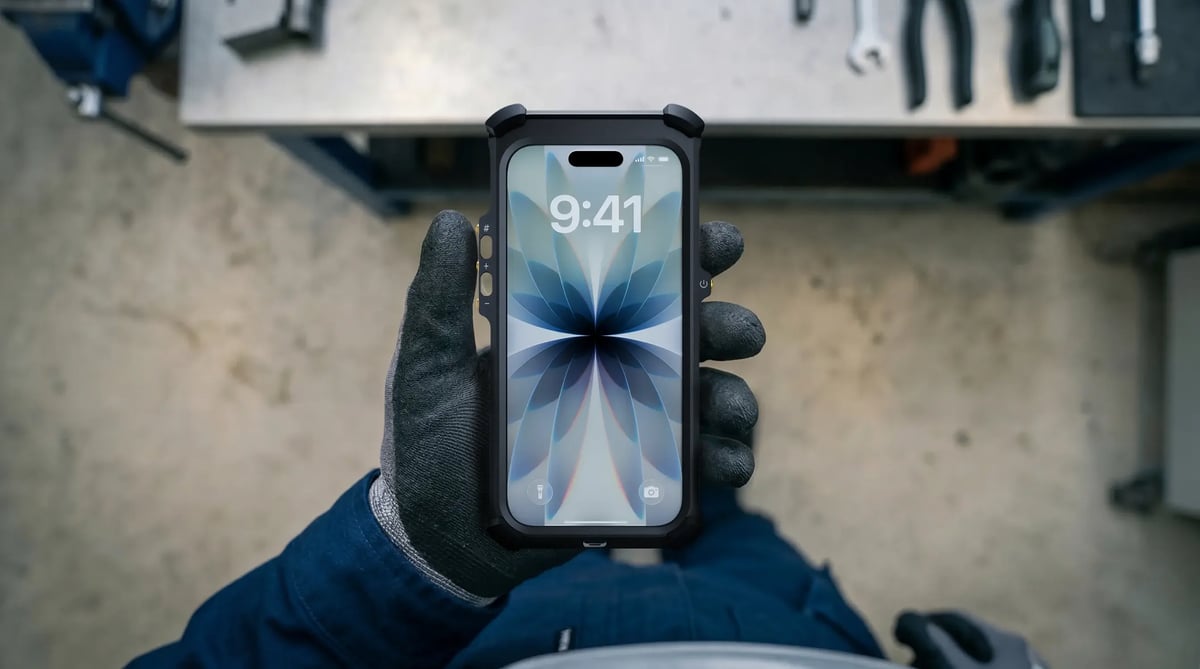
One view of the asset, from the office to Zone 1
When the field and the office work from the same model, handovers get shorter and fewer jobs start from an outdated drawing. At many sites the twin is only open on office and control room screens while technicians carry printed P&IDs. With the twin on a device certified for Zone 1, engineer and technician look at the same tag and the same revision at the same time.
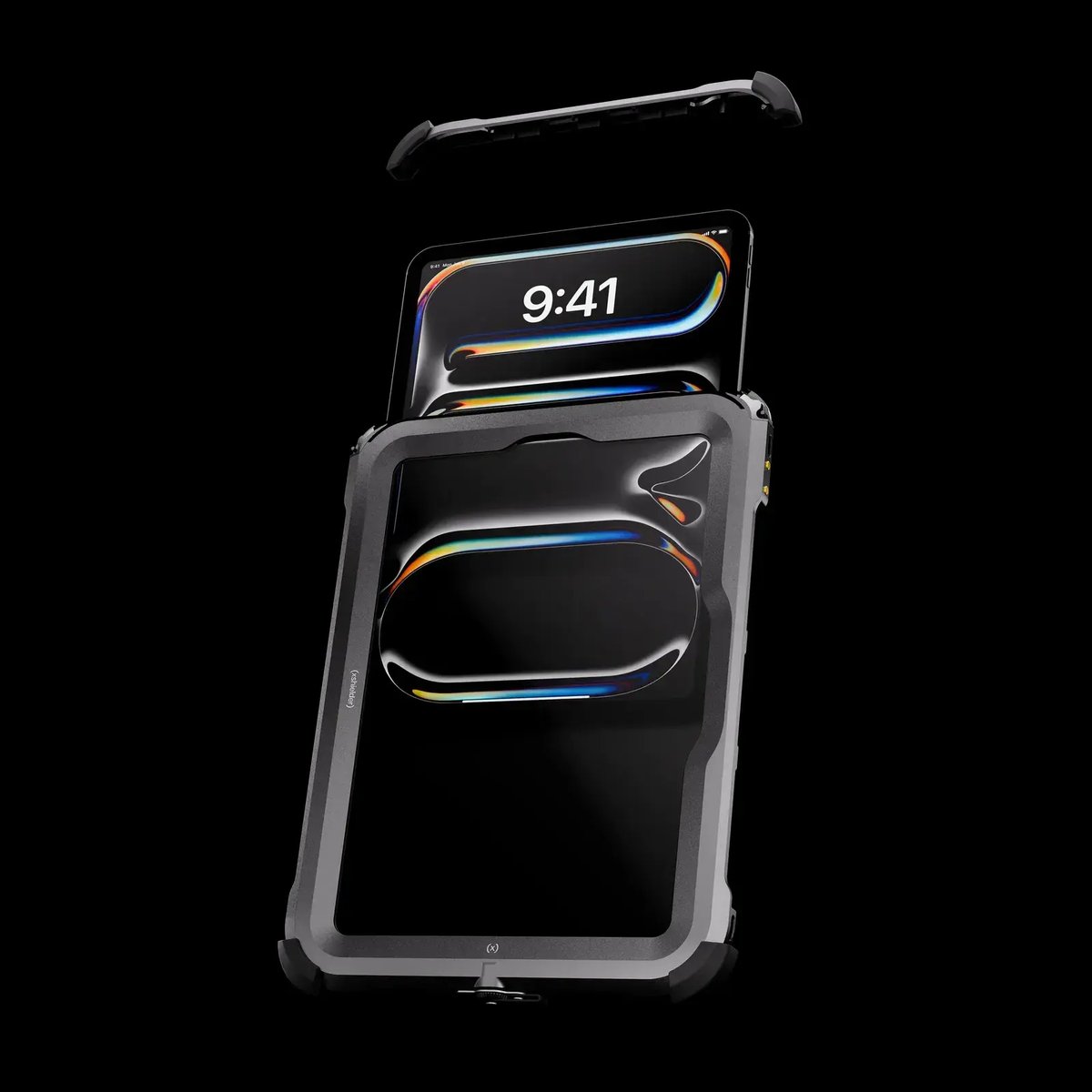
The 3D model and P&ID side by side, at the valve
The 11-inch screen of the iPad Pro keeps a P&ID and the live 3D model legible side by side, so technicians confirm line numbers and isolation points without switching views. Its M-series chip handles heavy models from twin platforms such as Aize without lag. On the phone-sized screen of a typical intrinsically safe handset, operators flip between the two.
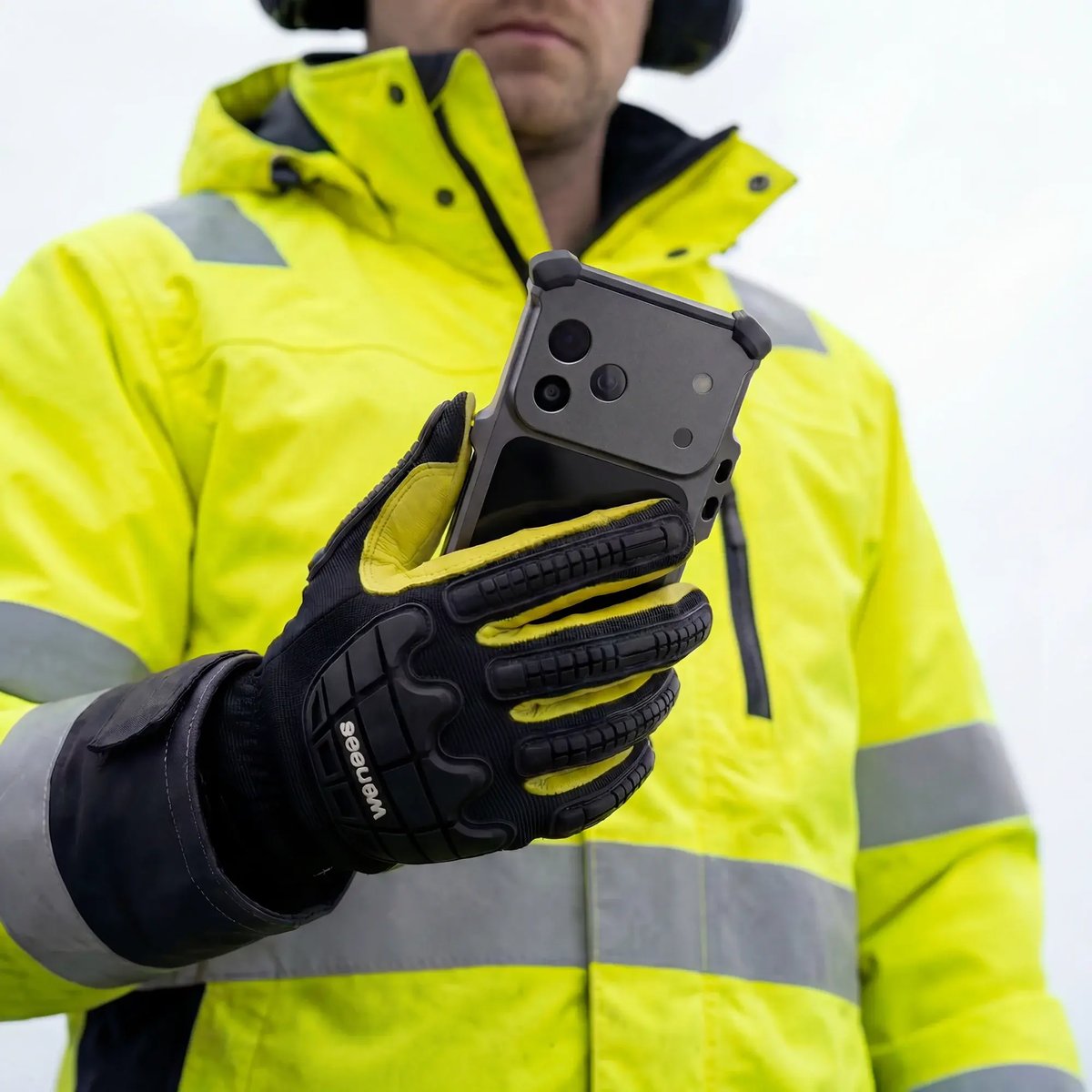
Live readings overlaid on the equipment itself
Augmented reality maintenance puts twin data on the live camera view, so the technician sees the tag, the latest reading and the work instruction on the right pump. On the iPad Pro 11" and iPhone 17 Pro Max, LiDAR anchors those overlays to the correct component, including in dim, enclosed modules on a petrochemical complex. A typical intrinsically safe handset has no LiDAR.
Changes in the field, in the model the same day
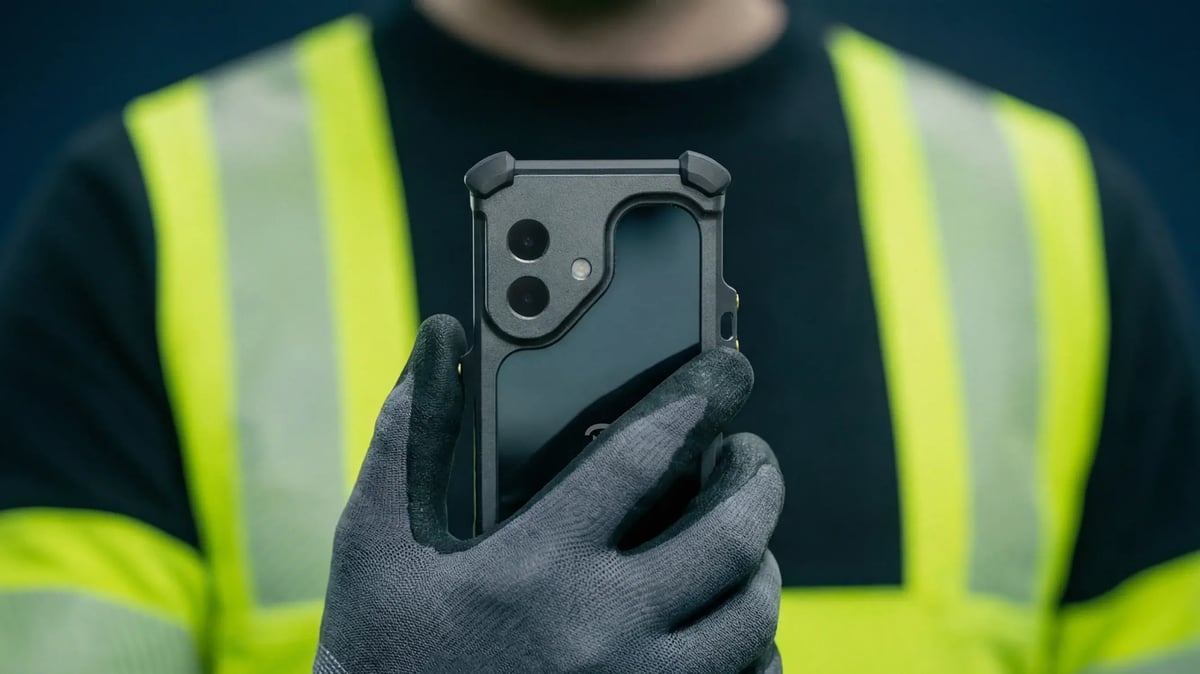
Technicians capture changes the day they happen, so the model can be updated long before the next survey campaign. A LiDAR scan or 48MP photo from an explosion-proof iPhone 17 Pro Max records a rerouted line or new instrument, ready for partners such as VISCO to bring into the twin. See 3D laser scanning in hazardous areas for the scan workflow.
Your twin platform, on devices IT already manages
Twin platforms such as Aize run on an Xshielder iPhone or iPad as they would on any company iPhone or iPad, deployed and managed through your existing MDM. Field access to the twin becomes part of your wider connected worker program, without a separate device estate for IT to support.
Give technicians in Zone 1 the same view of the asset as the engineers in the office. Start with the explosion-proof iPad Pro 11" for model reviews at the equipment and the iPhone 17 Pro Max for scans on the round, and get a quote for your sites.
Digital twin FAQs
What is a digital twin in oil and gas?
A digital twin in oil and gas is a 3D model of a plant or asset linked to its engineering data, maintenance history and live sensor readings. Operators use it to plan maintenance, monitor condition and assess changes before making them.
Can you use a digital twin on a tablet in Zone 1 areas?
Yes, provided the tablet is certified for Zone 1, for example an iPad Pro 11" in an Xshielder explosion-proof enclosure. Technicians can then open the same twin platform at the equipment that engineers use in the office.
Which iPad can be used in Zone 1 hazardous areas?
The iPad Pro 11" can be used in Zone 1 inside Xshielder’s explosion-proof enclosure, which is certified for Zone 1 with that specific model. A standard iPad has no Ex certification of its own and cannot be taken into Zone 1 unprotected.
How is augmented reality used in oil and gas maintenance?
Technicians point a tablet or phone at equipment to see tags, live readings and work instructions overlaid on the camera view. LiDAR on the iPad Pro 11" and iPhone Pro Max models anchors those overlays to the correct component.
How do field teams keep a digital twin up to date?
They capture LiDAR scans and photos of changes on site and send them to the twin platform, so the model can be updated to match the plant as it stands. The iPhone 17 Pro Max suits quick scans and lookups during routine rounds.
More use cases