
Use case
Remote Visual Inspection in Hazardous Areas
Check assets your team cannot easily or safely reach, from the walkway, with the 8x zoom and on-device AI of an explosion-proof iPhone 17 Pro Max. Inspectors capture gradable images in Zone 1, flag defects on the spot and send findings into the maintenance record.
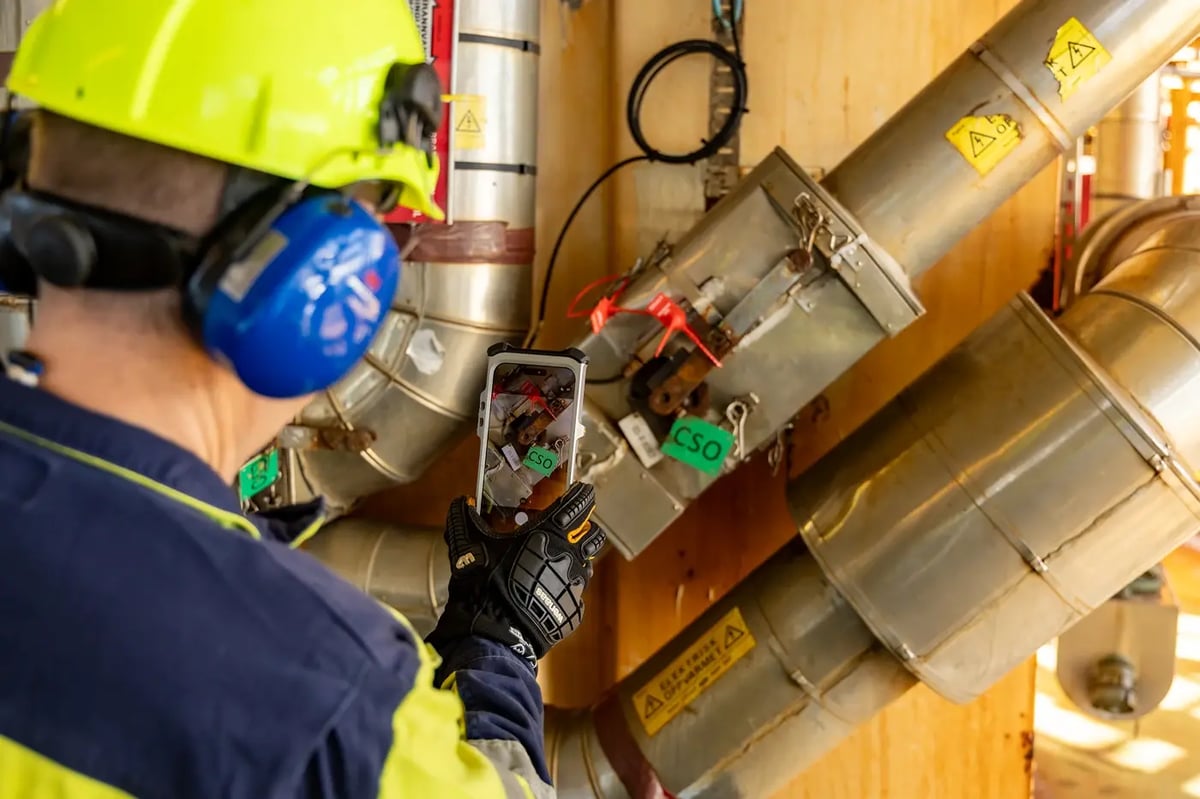
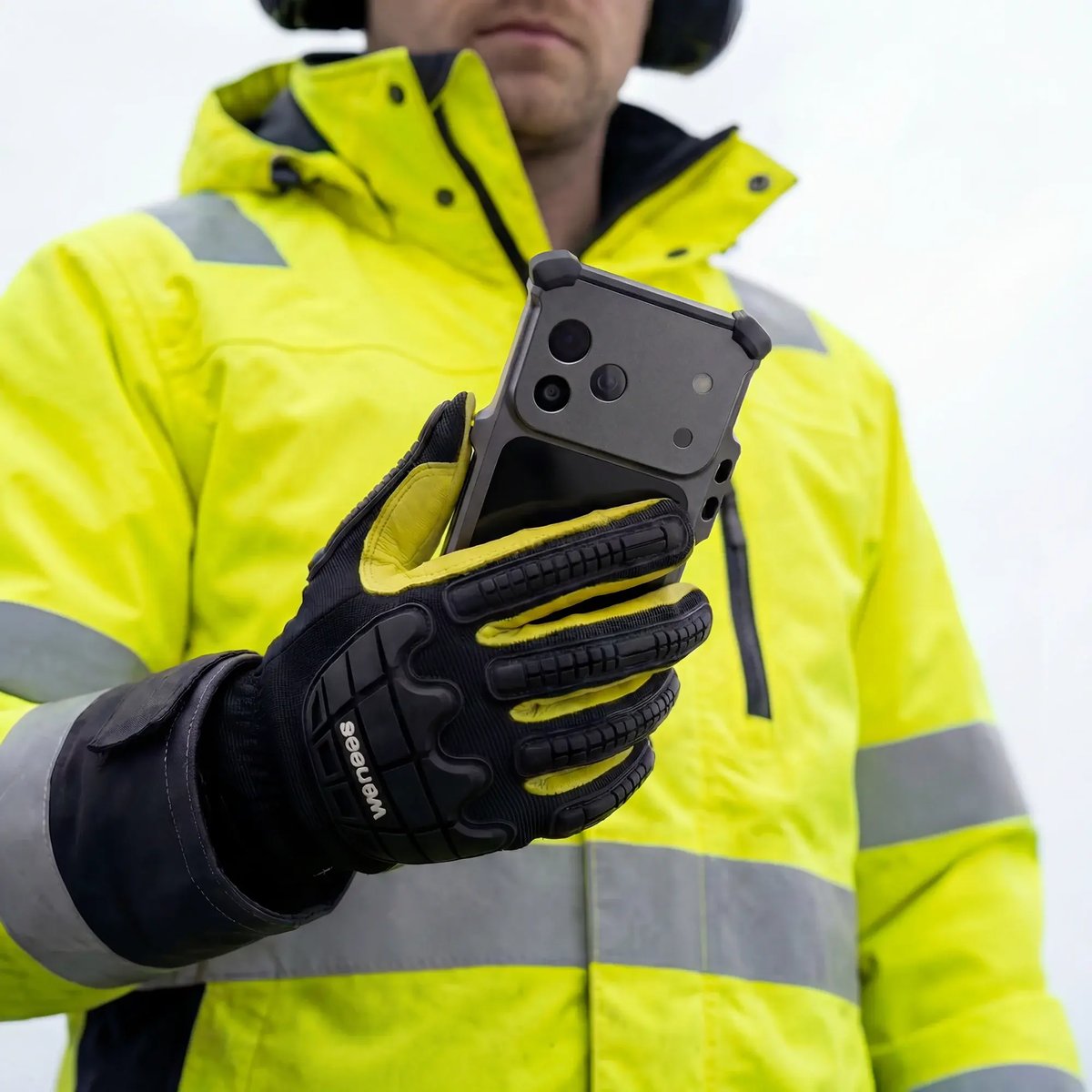
Inspect at height without leaving the walkway
The iPhone 17 Pro Max lets inspectors check elevated equipment from the walkway, with 8x optical-quality zoom from its 48MP telephoto that keeps its quality through the cover window. On a pipe rack at a chemical plant, flanges, supports and insulation can be screened first, which can reduce scaffolding or rope access for initial checks.
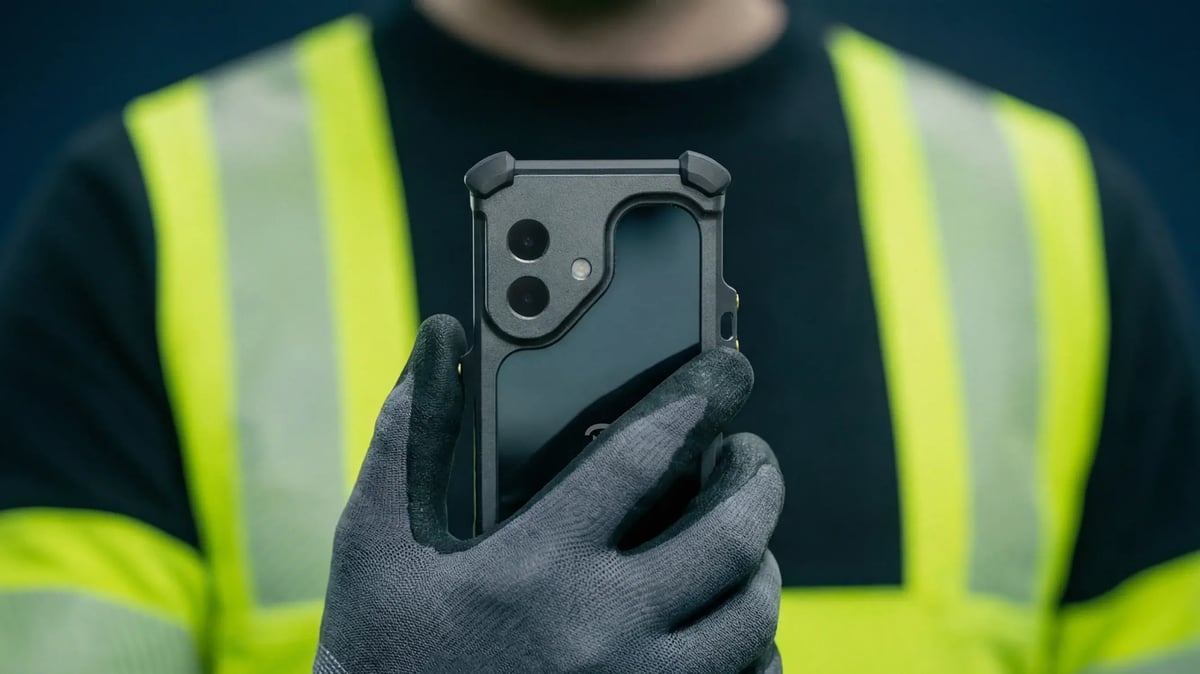
Photos sharp enough to grade corrosion
A photo has to hold up under zoom before it can support a corrosion grade. The iPhone 17 Pro Max captures 48MP images, against the 13MP main camera of a typical intrinsically safe handset, so inspectors can zoom into a saved photo and still separate surface rust from pitting. Our guide to intrinsically safe cameras covers the specifications.
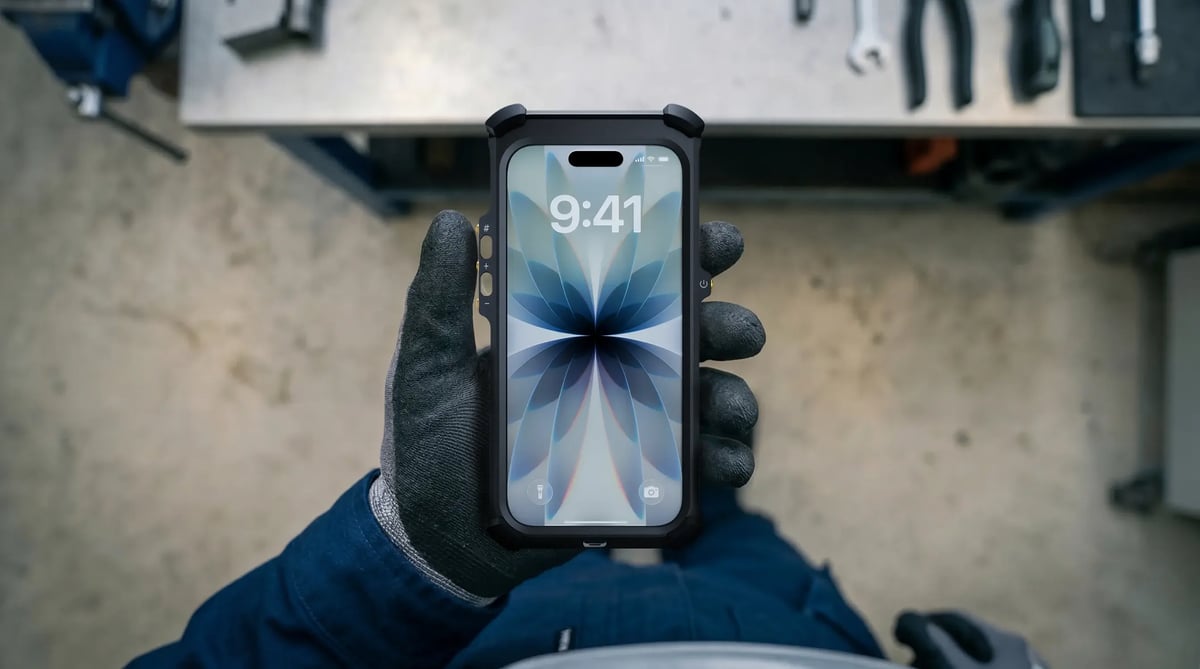
Defects flagged before the inspector moves on
AI visual inspection apps flag likely defects on the iPhone while the inspector is still at the asset. Partner apps such as Mantl-Core run offline where needed and apply the same model for every inspector across a tank farm, so classifications stay consistent. The A19 Pro chip and 12GB of RAM run these models locally.
Internal and external findings on one device
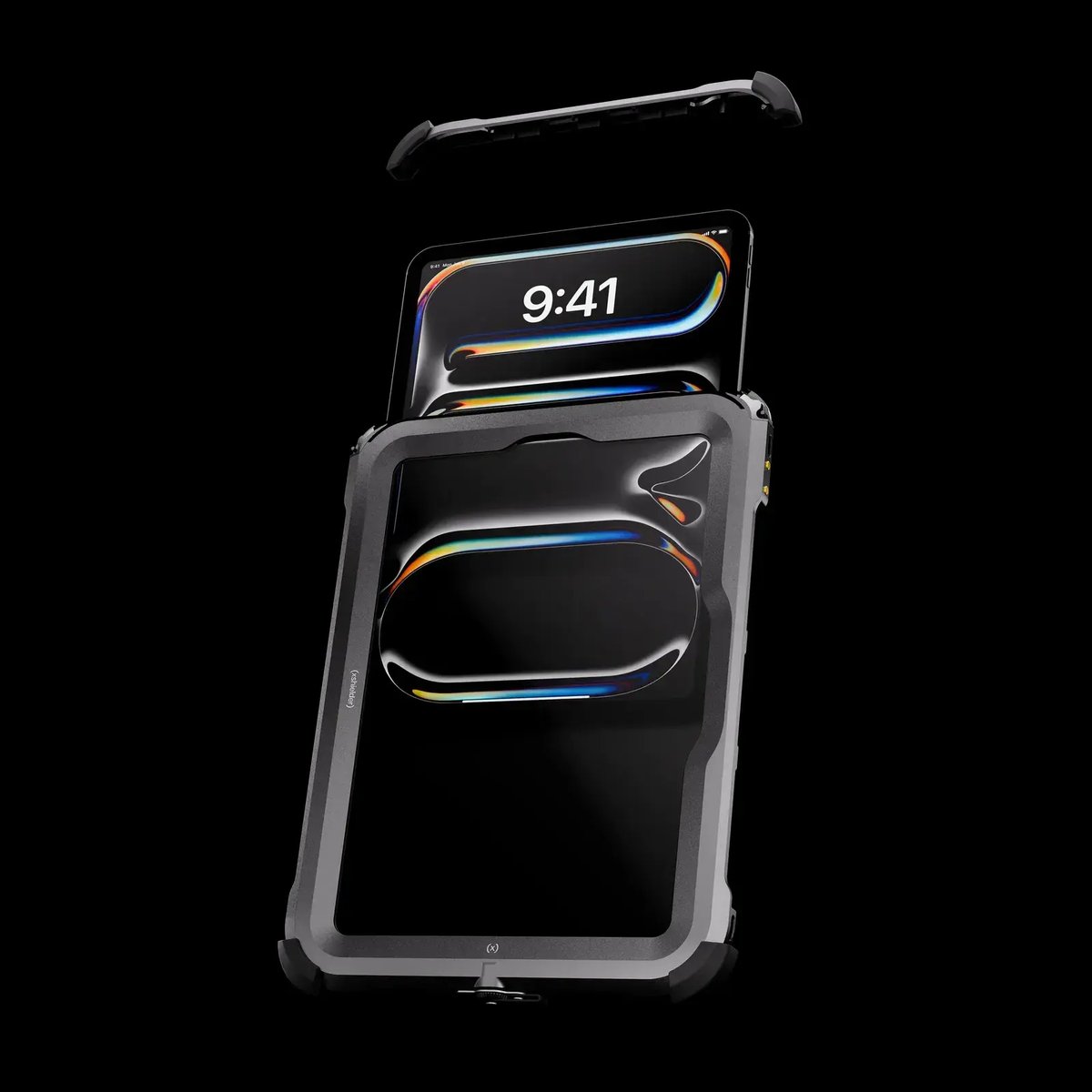
Internal inspection still needs a certified borescope or intrinsically safe inspection camera, and the iPhone 17 Pro Max can pair with one inside the cover. Inspectors record the internal feed on the same device as their external photos, then review both on the explosion-proof iPad Pro 11".
Every photo tied to the asset and the work order
A finding becomes a work order once the photo is tagged to the asset and pushed into the CMMS. A field inspection app such as Inspectio links photos and AI flags to the asset ID on the iPhone, a core step for the connected worker in hazardous areas.
The explosion-proof iPhone 17 Pro Max lets your inspectors see more of the plant from where they already stand. Get a quote for your inspection team, or see how crews bring in a remote expert when a finding needs a second opinion.
Remote visual inspection FAQs
What is remote visual inspection in oil and gas?
Remote visual inspection is the examination of assets that are hard or unsafe to reach, such as flare tips or vessel internals, using zoom cameras, borescopes or drones in place of close access.
Can you use an iPhone camera for inspections in Zone 1 areas?
Yes, when the iPhone is housed in an explosion-proof cover certified for Zone 1, such as Xshielder's covers for the iPhone 17 Pro Max, iPhone 17 and iPhone 16 Pro Max.
Can AI visual inspection run offline in hazardous areas?
Yes, some AI inspection apps, such as Mantl-Core, analyze images on the device without a network connection, which suits plant areas with weak coverage.
Do you need an intrinsically safe borescope for internal inspections in Zone 1?
Yes, any borescope used in Zone 1 needs certification for that zone, typically as an intrinsically safe borescope. It can then pair with an iPhone in an Xshielder explosion-proof cover, keeping internal and external findings on one device.
What camera resolution is needed to grade corrosion during visual inspections?
There is no fixed minimum, but a 48MP camera like the iPhone 17 Pro Max's gives far more cropping headroom for separating rust from pitting than the 13MP main camera of a typical intrinsically safe handset.
More use cases