
Rugged vs Intrinsically Safe: Settling Hazardous Areas Questions
What makes a phone safe to use in a hazardous area? Is a rugged phone enough? If so, can I use my own phone, provided it's in a rugged case? And where do intrinsically safe and explosion proof come into it? These questions come up repeatedly in online forums and Google searches, and it is easy to see why.
The marketing can be confusing. Rugged phones are sold as “industrial” and “tough”, often alongside certified devices. Add an impressive case, an IP68 rating and a military drop-test badge, and it is understandable to wonder whether your phone is suitable for a plant or oil rig. However, those features do not establish that it is safe for use in an explosive atmosphere.
Here is the TLDR. An intrinsically safe phone limits electrical and thermal energy so it cannot ignite the surrounding explosive atmosphere. An explosion-proof enclosure is designed to contain an internal explosion and prevent it from igniting the atmosphere outside. A rugged phone is only built to survive drops, dust and water.
An easy way to think about it is that ruggedness protects the phone from the site, while intrinsic safety and explosion protection protect the site from the phone.
Below, we take the questions people search for most and give each one a straight answer, with links to our longer guides where you want more depth. If you would like the technical comparison first, read our guide to the difference between intrinsically safe and explosion-proof phones.
Can you use phones in hazardous areas?
Yes, provided the phone is certified for the zone you are working in. Under the ATEX and IECEx systems, hazardous areas are classified by how likely an explosive atmosphere is to be present. Zone 0 means continuously or for long periods, Zone 1 means likely during normal operation, and Zone 2 means unlikely and short-lived if it does occur. Dust areas follow the same logic as Zones 20, 21 and 22.
A device certified for a higher-risk zone can be used in a lower-risk one, so a Zone 1 certified phone also covers Zone 2 work, as long as the gas group and temperature class on the certificate suit the site. An uncertified phone, however well protected, cannot be used in any classified zone. Our guide to ATEX, IECEx and zone classifications for mobile phones explains the system in full.
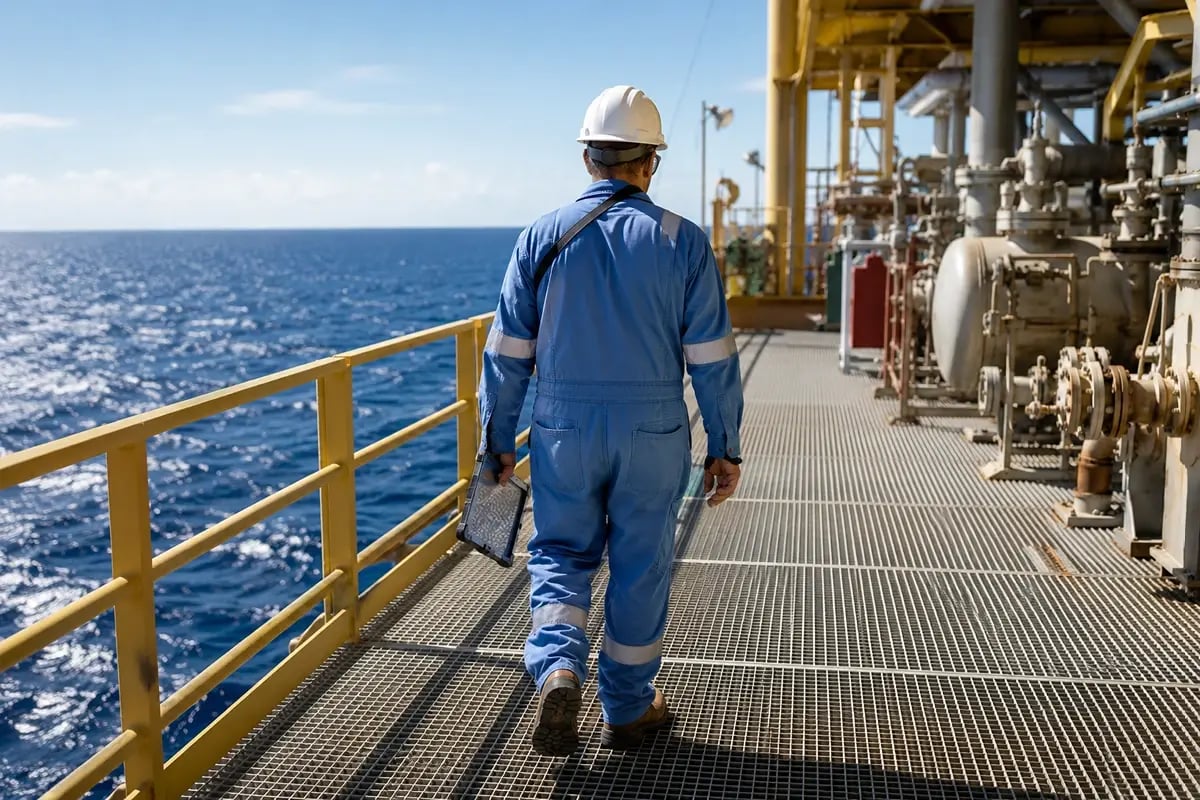
The same principle applies offshore. Phones are common on oil rigs and production platforms, but only certified devices are permitted in the classified areas, and operators set their own rules on where personal phones must be kept. Some operators have already moved field teams onto certified smartphones, as our Aker BP case study shows.
Why aren't normal smartphones explosion proof?
A standard smartphone is designed for everyday environments, and nothing in its design keeps its energy below ignition thresholds. Three things make it a potential ignition source. Its lithium-ion battery stores a large amount of energy in a small space, and damage or an internal fault can lead to overheating or venting. Its radios, charging circuits and display electronics can produce sparks or hot surfaces under fault conditions. And it carries no Ex certification, so from a regulatory point of view it cannot enter a classified area, whatever its condition.
Is a Samsung phone intrinsically safe?
No. Samsung does not sell an intrinsically safe or Ex-certified phone, and that includes flagship models such as the Galaxy S24 as well as the rugged Galaxy XCover range. The XCover phones are built to survive drops, dust and water, which is why they are often mistaken for hazardous area devices. Ratings like IP68 describe how well a phone resists its environment, and they have no bearing on whether it can ignite one.
Some specialist manufacturers convert selected Samsung models and certify the converted device for Zone 1 or Zone 2. In those cases, the certification belongs to the converted product and the specific model named on the certificate. Your existing Samsung phone does not become compliant because a certified version of it exists.
Is a Google Pixel intrinsically safe?
No. Google does not make an intrinsically safe or explosion-proof Pixel, and no Pixel model carries ATEX or IECEx certification as sold. At the time of writing, we are not aware of a certified enclosure or conversion for current Pixel models either, so if your team runs Pixels, a hazardous area deployment usually means switching devices.
In practice, Pixel users choose between a dedicated Android handset built for hazardous areas and an iPhone in a certified case, which we compare further down.
Is my Android phone explosion proof?
Almost certainly not, unless it was bought specifically as a hazardous area device. Standard Android phones, rugged or otherwise, carry no Ex certification. The quickest check is the device itself. A certified phone carries an Ex marking and certificate details on its label or housing, and an IECEx certificate number can be verified in the public IECEx online database.
If you are searching for an Android hazardous area phone, you are looking for a dedicated intrinsically safe handset. Manufacturers such as Ecom (Pepperl+Fuchs), BARTEC and i.safe MOBILE build Android phones certified for Zone 1 and Zone 2, and if any of your work happens in Zone 0, intrinsic safety is the only route. These handsets tend to trail flagship consumer hardware on camera and processing power, and our guide to intrinsically safe phones, options and costs sets out the trade-offs.
How do I make my cell phone explosion proof?
You can't do it yourself, and an ordinary rugged case won't do it for you. The only way to take a consumer smartphone into Zone 1 or Zone 2 is inside an enclosure certified for that exact phone model. The certification covers the enclosure and handset together, so a case certified for one model does not cover another, even from the same brand.
A certified enclosure works on the explosion-proof principle. It is built to contain any ignition inside and stop flame from reaching the atmosphere outside, so the phone inside keeps its full camera, processor and battery. The certificate also sets conditions of use, such as where the phone may be charged, and following them is part of staying compliant.
What about the iPhone?
The iPhone follows the same rule as every other consumer phone. Apple does not make an intrinsically safe iPhone or seek ATEX or IECEx certification for any model, so an uncased iPhone cannot enter a classified area. Inside a case certified for that model, it can be used in Zone 1 and Zone 2.
This is where the latest hardware makes a practical difference. The iPhone 17 Pro Max brings a 48 MP triple camera with up to 8x optical-quality zoom for capturing detail on equipment an inspector cannot safely reach, plus a LiDAR scanner for 3D capture and as-built documentation. The iPhone 17 offers a 48 MP dual camera system in a lighter package, at 330 g in its case. Our guide to intrinsically safe iPhones compares the models and the features that matter in the field.
Xshielder makes ATEX and IECEx Zone 1 certified cases for the iPhone 17 Pro Max, iPhone 17 and iPhone 16 Pro Max. If your team still carries an older iPhone, we look at the options in how to make an iPhone 14 intrinsically safe and whether you can make an iPhone 15 intrinsically safe.Android or iPhone for Zone 1?
Both are valid in Zone 1, and the right choice depends on the work and your IT setup. Dedicated Android handsets are purpose-built, lighter than an enclosure-based phone and available with intrinsic safety certification, which makes them the answer for Zone 0 and for sites whose standards name intrinsic safety specifically. They often run older Android builds on hardware two to three years behind flagship models, with update cycles controlled by the device maker.
An iPhone in a certified case gives field teams current hardware and the same device the rest of the business already uses. iOS updates reach every supported model at the same time, Apple Business Manager handles zero-touch enrollment, and the phone sits in your existing MDM platform, whether that is Intune, Jamf or SOTI. Recent iPhone generations have received around six to seven years of iOS updates, which has a direct effect on total cost of ownership, as we explain in our guide to intrinsically safe phone costs and support life.
For the full side-by-side, read our comparison of Android vs iOS for IECEx Zone 1 smartphones.
Putting the right phone on site
If your team needs a smartphone that can go where a rugged phone can't, an Xshielder case puts current iPhone hardware into Zone 1 and Zone 2 with ATEX and IECEx certification. Browse the Xshielder range, or talk to our team about matching the right model to your site's zones.
Frequently Asked Questions
What are OSHA's requirements for phones in hazardous areas?
OSHA has no rule written specifically for phones, but 29 CFR 1910.307 requires electrical equipment in hazardous (classified) locations to be intrinsically safe, approved for the location, or demonstrated to be safe for it. In practice, that means a phone needs certification for the specific class and division, or zone, at your site.
Which phone is safe to use in an explosive atmosphere?
Only a phone certified for the zone, either a dedicated intrinsically safe handset or a consumer smartphone inside an enclosure certified for that exact model. Zone 1 certified devices can also be used in Zone 2, while Zone 0 requires intrinsic safety.
Are mobile phones allowed on oil rigs?
Many oil rigs allow mobile phones in non-classified areas such as accommodation, subject to the operator's rules. Only phones certified for the relevant zone can be carried into classified areas.
Is a rugged phone intrinsically safe?
No. A rugged phone is built to withstand drops, dust and water, while intrinsic safety depends on certified limits on the energy inside the device, so a rugged phone without Ex certification cannot be used in a hazardous area.